
November 3, 2025
MoleMap Team
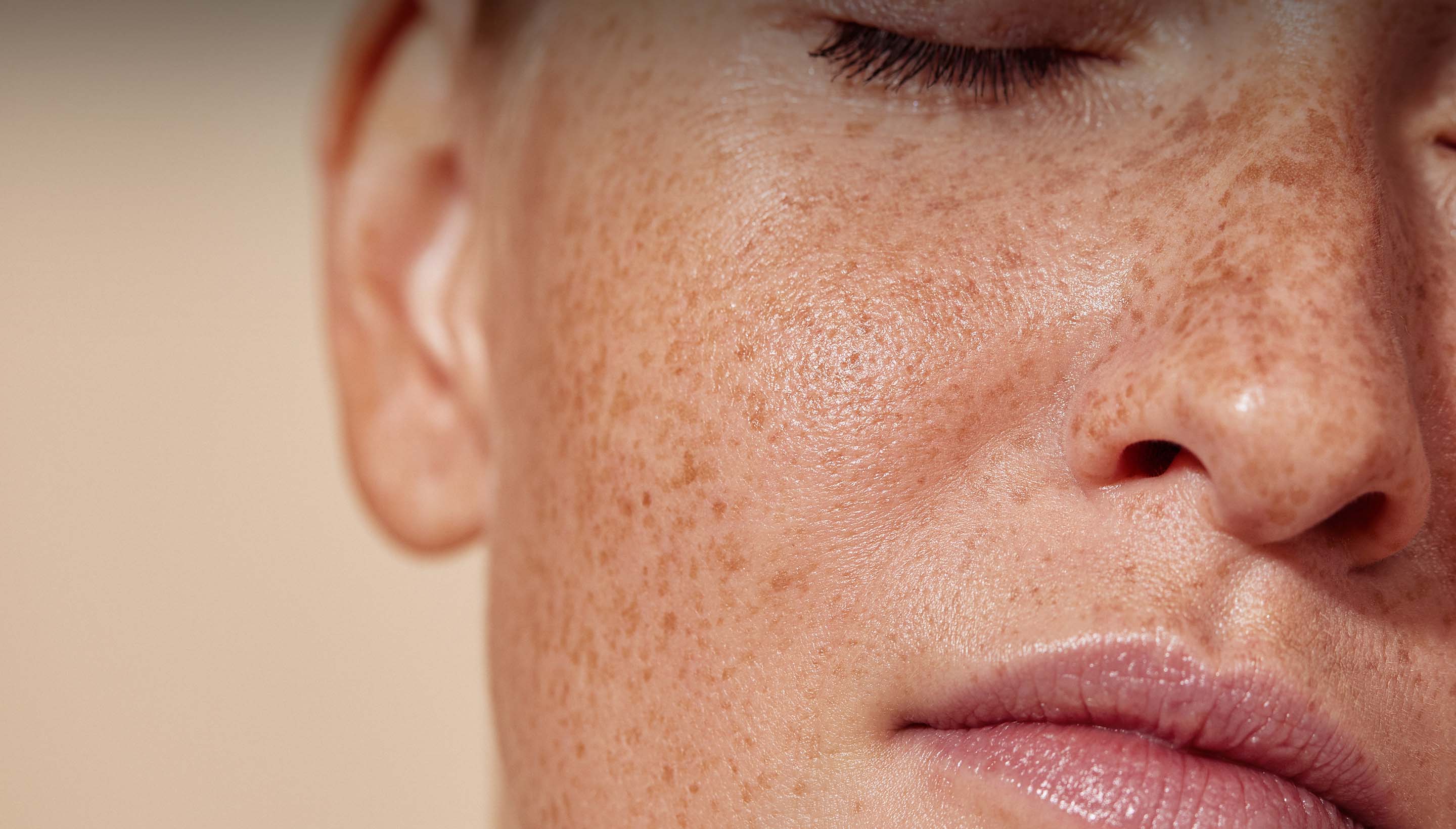
The skin barrier is the outermost layer of the skin, known as the stratum corneum. Although it is extremely thin, only about 10 to 20 micrometres thick, it plays a vital role in keeping your skin healthy. Your skin is your body’s largest organ and its first line of defence. The strength of your skin barrier affects how sensitive, inflamed, or resilient your skin becomes. Healthy skin starts with a healthy barrier.
Without it, even high-quality skincare products cannot perform as intended. Keeping your skin barrier healthy involves protecting it from damage and supporting its natural ability to repair. Its main job is simple but essential. It protects you from the outside world while stopping too much water from escaping from within.
Together, these components form a structured barrier that controls what enters and leaves the skin.
A strong skin barrier helps the skin cope with environmental stress, including ultraviolet radiation. While sunscreen remains the most important defence against UV damage, a healthy barrier improves the skin’s ability to recover. Repeated inflammation and barrier disruption may contribute to long-term skin damage. Supporting barrier health, alongside regular professional skin checks, forms part of a broader approach to maintaining healthy skin.
- Ongoing dryness
- Stinging or burning when applying products
- Redness
- Increased sensitivity
- Rough or flaky texture
These symptoms are often linked to increased transepidermal water loss and disrupted lipid balance.
Daily sunscreen is one of the most effective ways to protect the skin barrier. A broad‑spectrum SPF shields your skin from UV rays, which can weaken the barrier. Consistent sun protection helps keep the skin stronger and more resilient.
Moisturisers containing ceramides, cholesterol, and fatty acids help rebuild the skin’s protective outer layer. These ingredients work best when used together, as they closely mimic the skin’s natural lipids and support more efficient barrier repair.
The skin’s natural pH is slightly acidic (around 4.5–5.5). Using cleansers that fit within this range helps maintain the enzymes that support barrier function.
If you’re using retinoids or exfoliating acids, introduce them gradually. Starting slowly gives your skin time to adjust while still allowing you to benefit from these active ingredients.
What is the main function of the skin barrier?
It prevents water loss and protects against environmental threats such as irritants, microbes, and UV radiation.
How do I know if my skin barrier is damaged?
Dryness, redness, stinging, flaking, and increased sensitivity are common signs.
How long does it take to repair the skin barrier?
Mild disruption may improve within a few weeks with appropriate care. More severe cases may require medical advice.
Does sunscreen support the skin barrier?
Yes. By reducing UV-related oxidative stress and lipid disruption, daily sunscreen use helps preserve barrier integrity.

