

April 30, 2026
MoleMap Team
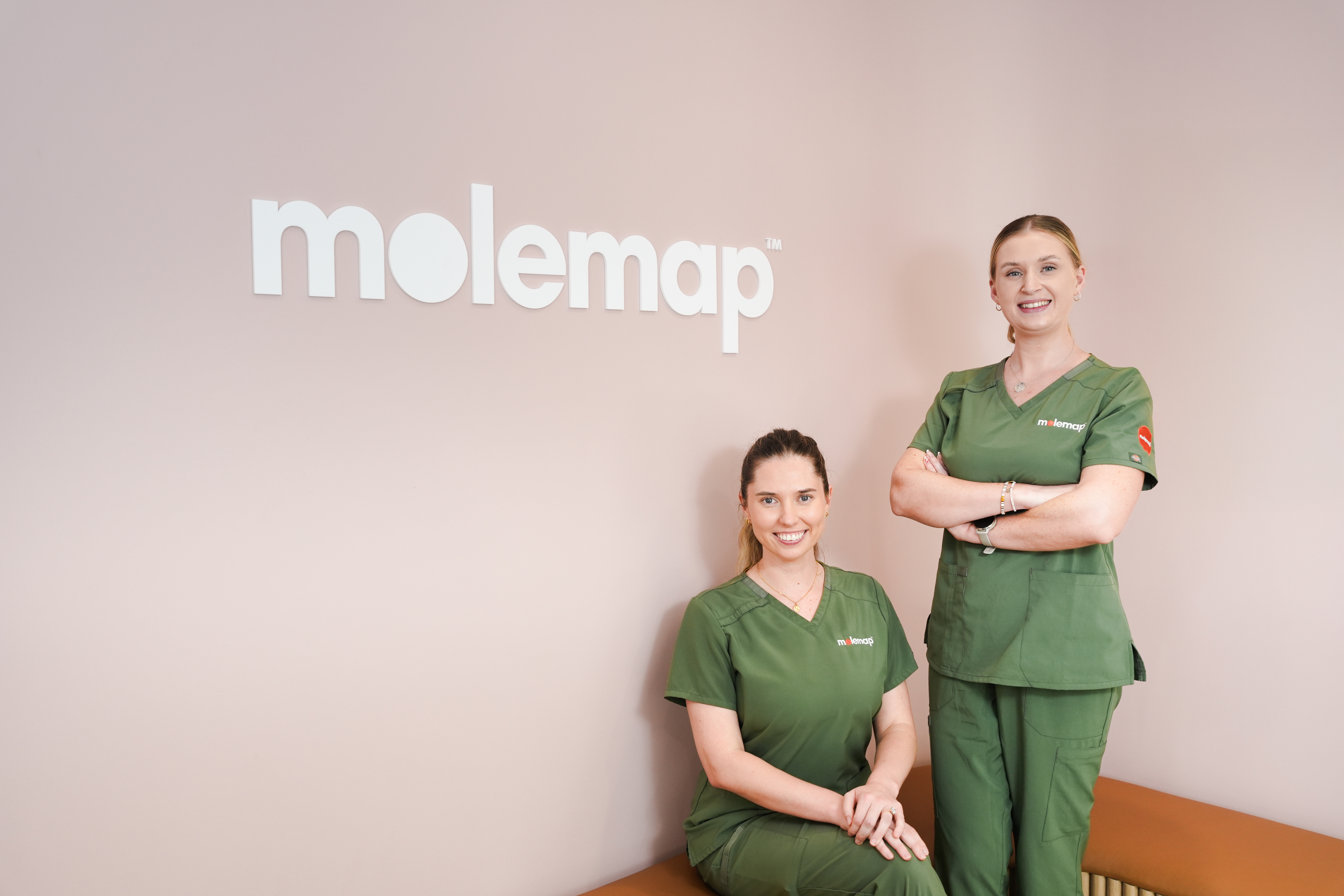

When it comes to checking your skin, there are a number of different ways you can have your skin checked. MoleMap offers a specialised approach that combines an in-person skin assessment with detailed lesion imaging and review by dermatologists.
Thirty years ago, MoleMap was founded with a clear purpose: to make expert dermatologist diagnosis more accessible to everyone. By connecting patients with specialist skin assessment sooner, MoleMap helps detect skin cancer at an earlier stage, reduces unnecessary biopsies and excisions, and minimises the long wait times often associated with dermatology care.
So, what happens during a MoleMap appointment, and how are dermatologists involved?
MoleMap skin checks are performed by melanographers - registered nurses who have undertaken additional training in skin cancer detection and the identification of suspicious or changing lesions.
During your appointment, your melanographer will examine your skin from head to toe. They will look for lesions that may show signs associated with skin cancer, appear different from the surrounding lesions, or require further monitoring.
A lesion may also be imaged because it is an area of concern for you. It may be a mole or spot that you have noticed changing, or one that you would like included in your skin check for reassurance.
Not every mole or freckle needs to be photographed. Your melanographer will use their clinical training and assessment to determine which lesions should be imaged and reviewed.
When a lesion is imaged during your appointment, the clinical information and photographs are sent to an offsite dermatologist for review.
MoleMap works with three dermatologists in Australia who assess the lesions identified during appointments. They review the clinical information and images provided by the melanographer before documenting their findings and recommendations.
This means your appointment includes both an in-person assessment with a trained melanographer and specialist dermatologist review of the lesions that have been identified for further assessment or monitoring.
Many skin cancers develop gradually, and changes can sometimes be difficult to notice without a previous image for comparison.
By creating a photographic record of selected lesions MoleMap supports ongoing monitoring of your skin. At future appointments, images can be compared with earlier records to help identify whether a lesion has changed in size, shape, colour or appearance.
Imaging does not replace a clinical assessment. Instead, it adds another layer of information to support the monitoring process.
MoleMap offers three types of skin check. Each appointment is designed for different monitoring needs and levels of skin cancer risk.
A Skin Check is a head-to-toe examination of your skin. This is a point in time check for any signs of skin cancer on your skin. If your melanographer identifies lesions that show signs requiring further assessment, these lesions will be photographed and sent to a dermatologist for review.
This option may be suitable for people looking for a comprehensive skin assessment, particularly if they have a specific area of concern or want to understand whether any lesions need further attention.
Skin Check Plus includes the same head-to-toe skin examination, imaging of lesions that require dermatologist review. It also includes total body photography.
Total body photography creates a visual record of your skin at the time of your appointment. This can support future comparisons and help identify changes between appointments.
A Full Body MoleMap includes a head-to-toe skin examination, total body photography and imaging of lesions that require dermatologist review.
The key difference is that your melanographer may also image lesions that do not currently show obvious signs of skin cancer but are considered useful to monitor over time. These lesions can then be compared at future appointments to help identify early changes.
This approach is particularly useful for people with many moles, a history of changing lesions or other factors that may make regular monitoring valuable.
Following your appointment, you will receive a report summarising the findings.
Your report will outline whether any lesions were imaged during your appointment and include the dermatologist’s comments on those lesions. It will also explain any recommended next steps, which may include routine monitoring, making an appointment for treatment or biopsy.
If no lesions require imaging or dermatologist review, your report will explain this as well.
MoleMap appointments are designed to make professional skin monitoring accessible and structured. Your skin is assessed in person by a trained melanographer, selected lesions are documented with detailed images and dermatologists review the areas identified for further assessment.
Together, these steps provide a clear record of your skin and help support the early identification of changes that may otherwise be difficult to spot.
