
September 22, 2026
MoleMap Team
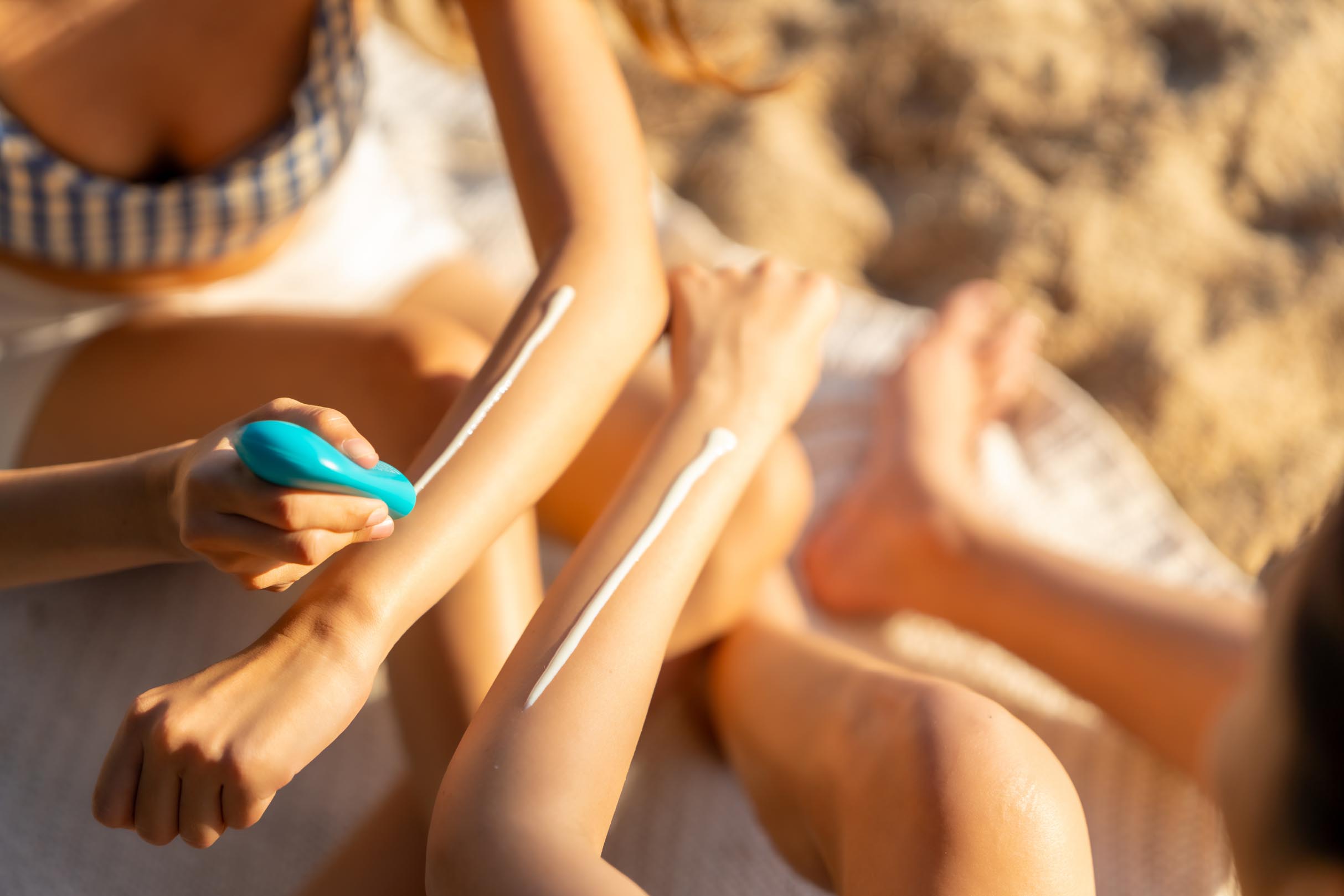
Many people think sunscreen is only necessary when they are spending the day at the beach, swimming or sitting in direct sunlight. But UV exposure does not only happen during planned outdoor activities. It can build up through the everyday moments we may not think twice about, walking to work, gardening, eating lunch outside, driving or watching a weekend sports game.
Ultraviolet radiation, or UV, is the part of sunlight that can damage skin cells and contribute to skin cancer. Unlike heat, UV cannot be seen or felt, which means your skin may be exposed even when the day feels cool, cloudy or mild.
The impact of UV exposure is cumulative. This means the small amounts of exposure you receive over time can add up, contributing to long-term skin damage, premature skin ageing and an increased risk of skin cancer. You do not need to experience sunburn for damage to occur.
Cancer Council Australia recommends using sun protection when the UV Index is 3 or above. During summer, many parts of Australia regularly reach UV Index 11 or higher. Sunscreen can be an important part of this protection, particularly on areas that are not covered by clothing, such as the face, neck, ears and hands.
Making sunscreen part of your morning routine can help protect your skin from incidental exposure throughout the day. This might include the short walk from the car to the office, sitting near a window, walking the dog or running errands.
However, sunscreen should not be used on its own. The best protection comes from combining sunscreen with other measures, including covering clothing, a broad-brimmed hat, sunglasses and shade. Reapply sunscreen as directed, especially after swimming, sweating or towel drying.
Sunscreen is not just for holidays or long days outdoors. It is one simple step that can help reduce the amount of UV exposure your skin receives over a lifetime.
Rather than relying on how the weather feels, check the UV Index for your local area. If it is 3 or above, make sun protection part of your day, even if you are not heading to the beach.
Protecting your skin does not mean avoiding the outdoors. It means making sun protection a regular part of your routine, while continuing to check your skin for new or changing spots. If you notice something that looks different, is changing, bleeding or not healing, arrange an assessment with your doctor or skin cancer professional.

