Menu

Map Your Future

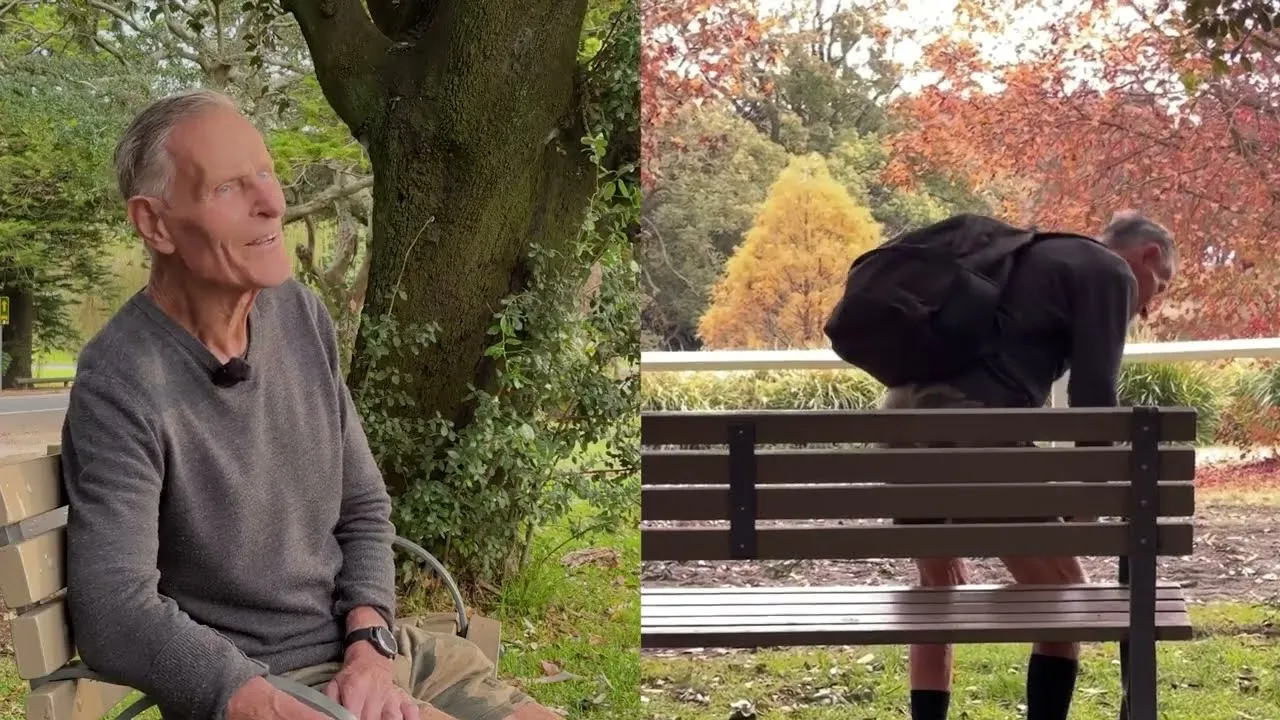
Elderly man sitting then standing from a park bench surrounded by trees in a leafy outdoor setting.

What are you mapping your skin for?

Winter doesn't change the risk

Most of us think about our skin in summer, when the sun is strongest and sunscreen is part of the daily routine. By winter, it tends to slip down the list. But skin cancer doesn't take winter off. In Australia, the UV Index sits at 3 or above for most of the year in many parts of the country, including through winter, and around two in three Australians will be diagnosed with skin cancer in their lifetime.1

The damage builds quietly

The moles that show up on your skin today are often shaped by exposure that happened years, sometimes decades, ago: a childhood summer, a season spent working outdoors, a sunburn from a trip you barely remember. That's part of why a skin check matters regardless of what month it is. It's rarely about catching something that happened last week. It's about staying ahead of something that's been quietly building for a long time, and giving it the best possible chance of being caught early.

A different kind of question

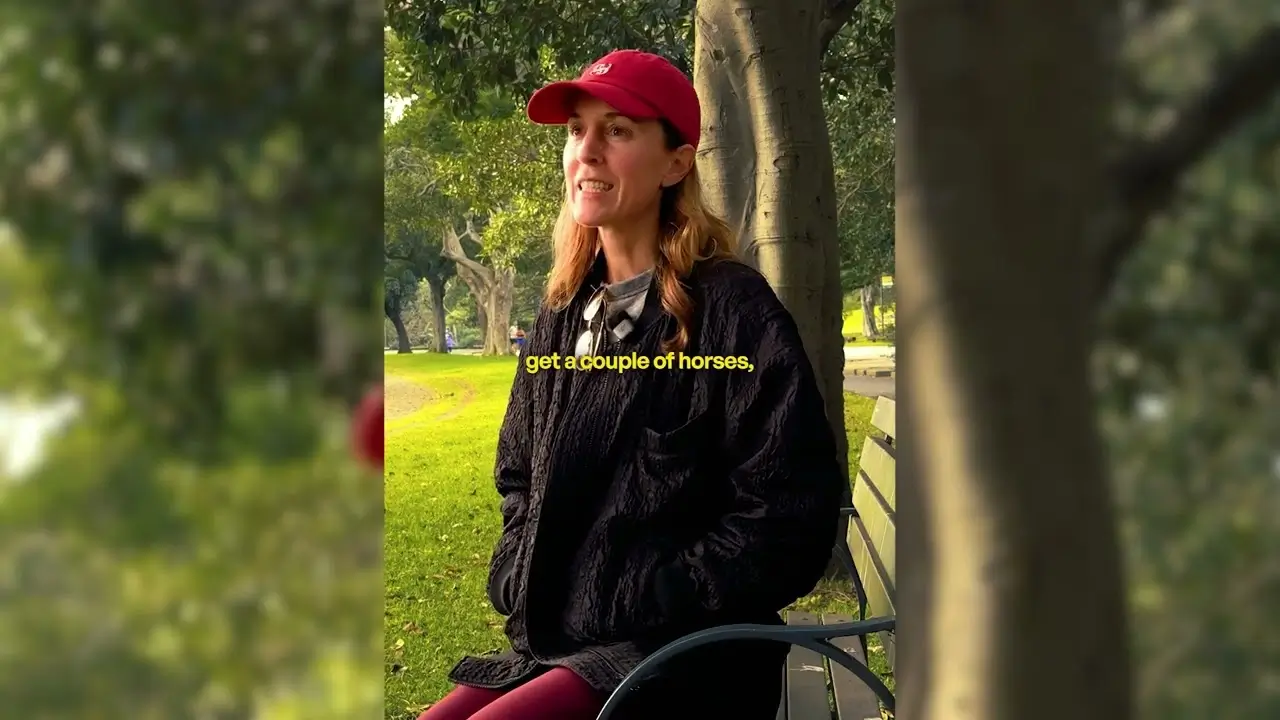
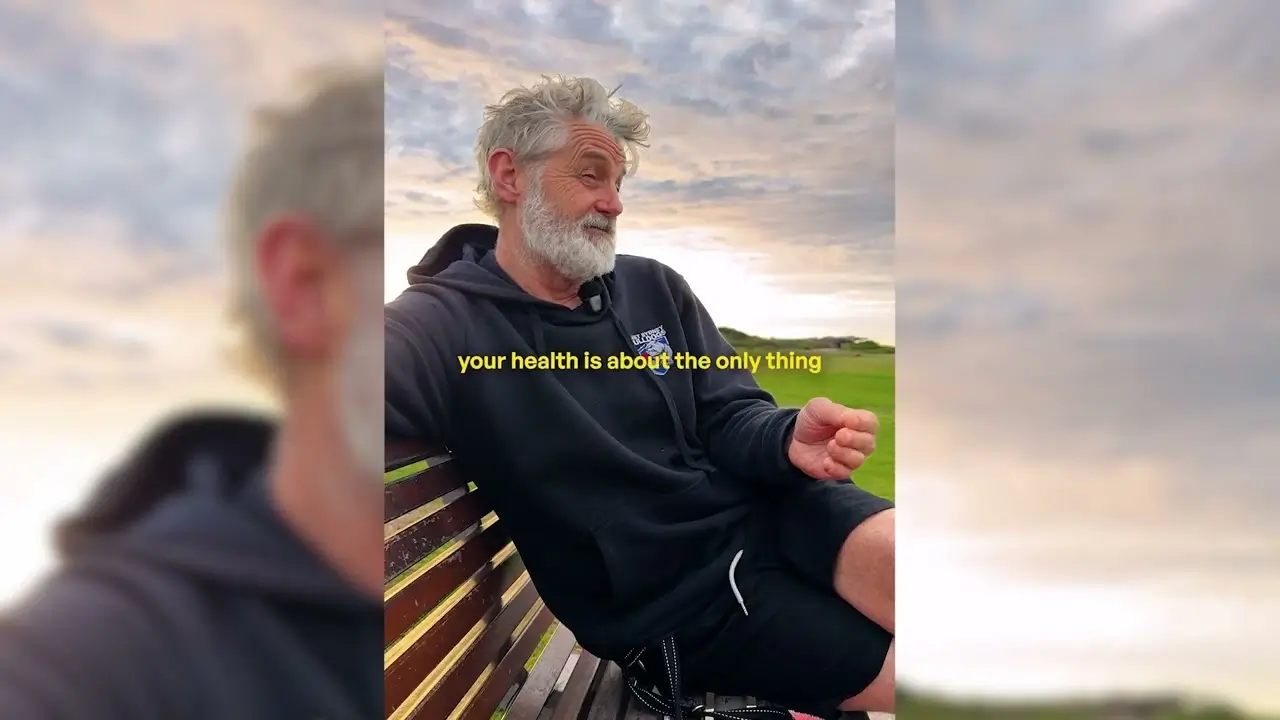
Winter is also when a lot of us naturally start looking ahead. We think about the trip we're planning, the goals we've set, the people and milestones we're looking forward to. So this winter, MoleMap is asking a different question: not what are you afraid of, but what are you looking forward to, and what's one small thing you could do today to help protect it.

Wherever you are in life

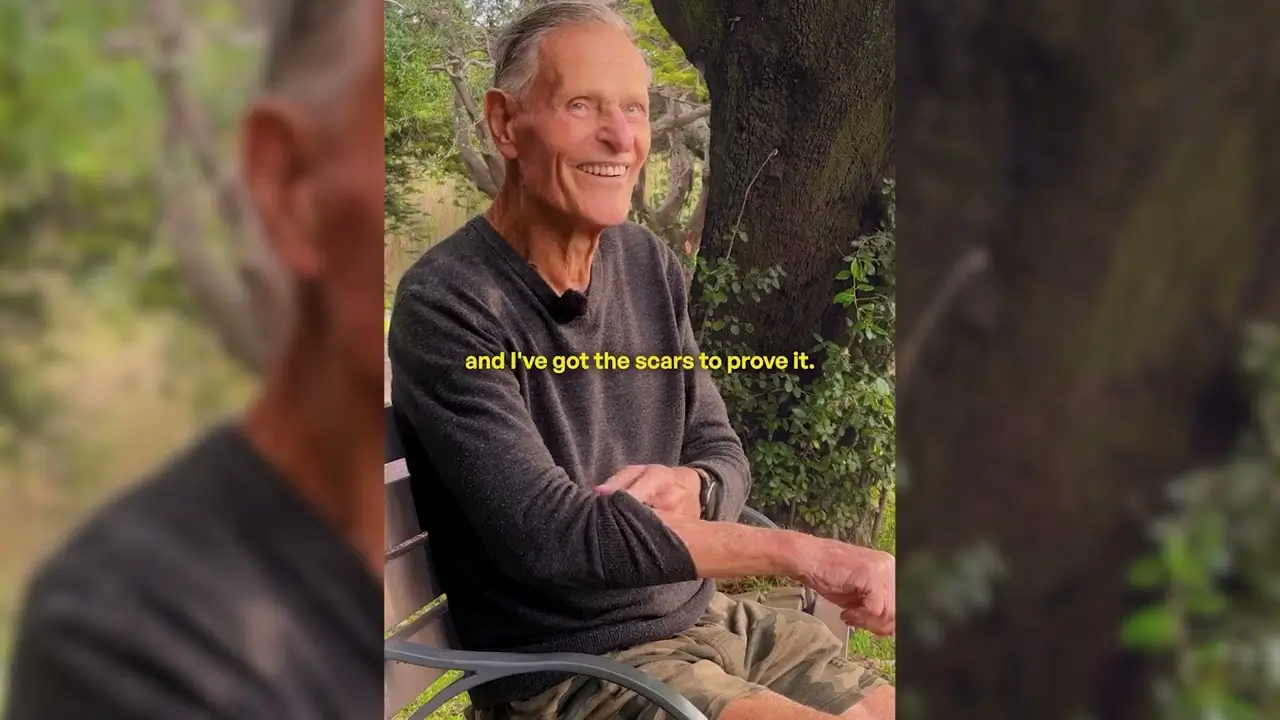
It's a question that looks different depending on where you are in life. A new parent thinking about the years ahead. A couple planning a wedding. Someone chasing a personal goal they've never quite had the nerve to start. Even an 89 year old who still shows up for a park run every Saturday. Whatever stage you're at, the answer tends to come back to the same small, practical step: a few minutes with MoleMap today, in exchange for peace of mind about tomorrow.

Why it matters

Skin cancer is Australia's most commonly diagnosed cancer, and around two in three Australians will be diagnosed with some form of it in their lifetime.1 The good news is that when it's caught early, it's also one of the most treatable. A professional skin check takes a few minutes and can pick up changes long before they'd be visible to the eye.

Check your local UV Index in Winter

Out and about

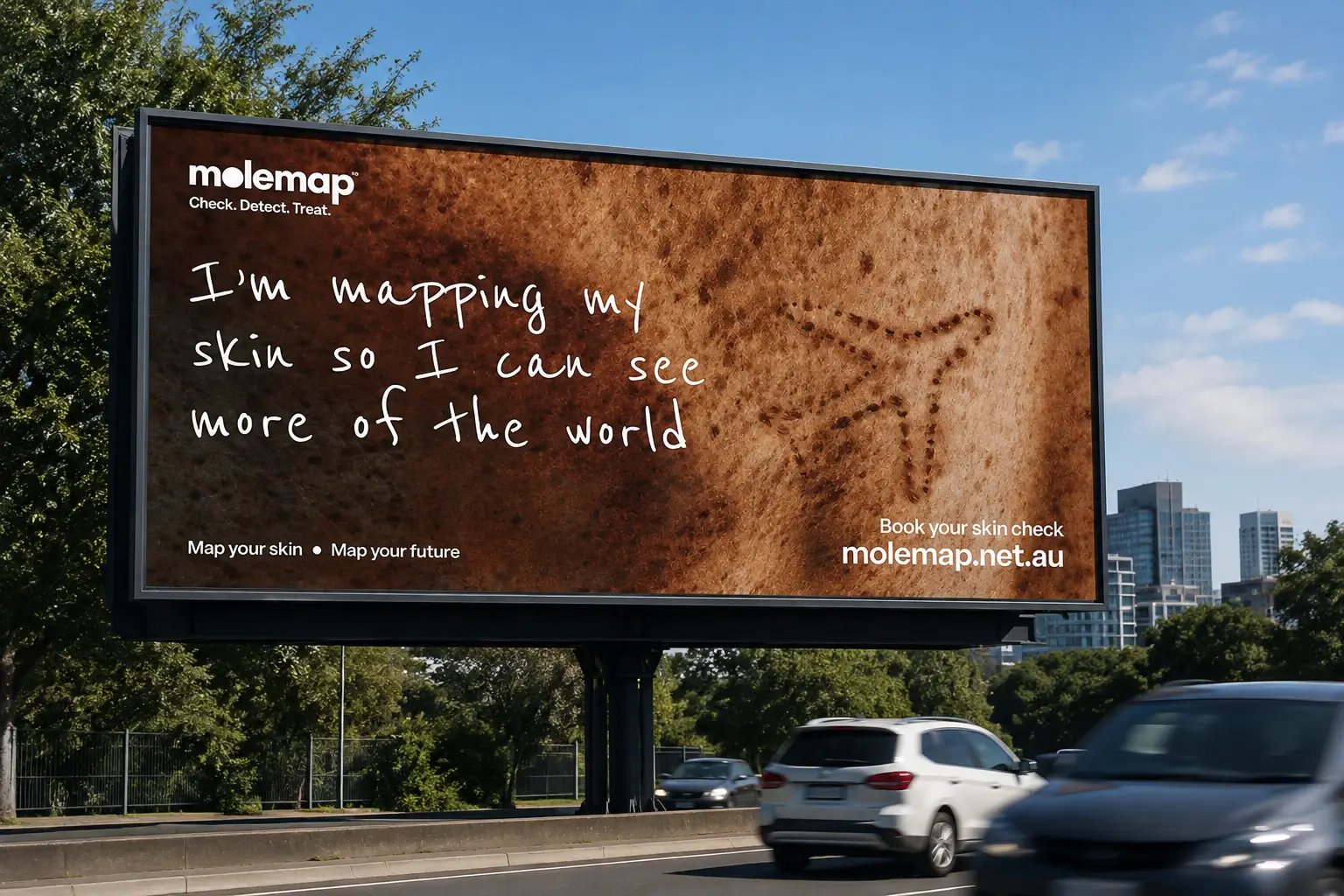
You might have also spotted Map Your Future on billboards around town, each one connecting moles like points on a map to reveal the shape of someone's future: a plane, a ring, whatever they're mapping their skin for.

Choose your service

icon
Swipe the table
SkinCheck

Full Body MoleMap

SkinCheck+

SkinCheck+

Full Body MoleMap

SkinCheck

Is this right for me?
I have a high number of moles, previous sun damage or a family/personal history of skin cancer. I want a baseline of images to track and monitor.
I have a small number of moles, but I want the peace of mind that my skin is healthy. Plus, I want a full body record of my skin to use at my next professional or DIY skin check.
I have a small number of moles, but I do want to quickly check out a new or suspicious spot. And I want the reassurance of a dermatologist diagnosis.
A thorough head-to-toe skin check
Icon
icon
Our experienced melanographer performs a thorough skin check from your scalp to the soles of your feet (and even between your toes). This means no spot goes unchecked.
Dermoscopic (that is, under the skin)  imaging and mole plotting of high-risk moles
Icon
icon
 A non-invasive, safe, and painless way to closely ‘check out’ suspicious lesions with modern technology. This allows us to see signs of cancer before it’s visible to the naked eye, assisting with early and accurate diagnosis. It also means fewer scares (and scars), as it reduces unnecessary biopsies and removals of benign moles — just in case!
Dermatologist diagnosis of high-risk or suspicious moles
Icon
icon
Your dermoscopic images are securely shared with an accredited dermatologist for their expert diagnosis. This means an accurate diagnosis without the delay of referral.
A trusted dermatologist report within the following week
Icon
icon
Your results are sent directly to you (via email or the myMoleMap app). Plus, you get access to your baseline images* for future skin checks — whether with your GP, MoleMap or a self-exam at home.

*Optional extra for the SkinCheck
Total body photography
Icon
icon
A high-resolution digital camera captures 24–28 full-body images of your skin, from head to toe. These images serve as a baseline to help track, compare, and monitor any new or existing moles at each follow-up appointment. A new set of reference images is taken every five years.
Additional dermoscopic imaging of moles that may be at risk of change — even if they appear benign currently
Icon
icon
The additional imaging and proactive monitoring of potentially at-risk moles. Your moles are tracked and compared side by side over time — so the smallest change will be quickly spotted.
Detailed catalogue of individual lesions tracked sequentially over time
Icon
icon
Lesions are reimaged at each follow-up appointment, creating a visual timeline where images of each lesion are displayed side by side, making it easier to spot even subtle changes over time.
Price
$399
*
$279
$229
$99.75
4 payments with
after payIcon
$69.75
4 payments with
after payIcon
$57.25
4 payments with
after payIcon

*Annual follow-up $355-$485 (based on lesion count)

Map Your Future

Whatever you’re looking forward to, a skin check today can help you enjoy tomorrow with confidence.
Let us map your skin. So you can map your future.

1. Cancer Council Australia, National Skin Cancer Action Week:
https://www.cancer.org.au/cancer-information/causes-and-prevention/sun-safety/campaigns-and-events/national-skin-cancer-action-week
https://www.arpansa.gov.au/our-services/monitoring/ultraviolet-radiation-monitoring/uv-index-model
https://www.arpansa.gov.au/do-you-still-need-check-uv-index-winter

List of participating clinics

See map of participating clinics